
📚 The State of English Comprehension in Southeast Asia (2024–2025)
As Southeast Asia continues to grow as a region of innovation, migration, and global trade, one skill remains absolutely critical: English reading comprehension. But how well are Southeast Asian students actually performing when it comes to understanding English texts?
This blog post presents a fact-based breakdown of the current state of English literacy and comprehension across Southeast Asian countries—backed by reliable data, education surveys, and published research.
🌍 How Does Southeast Asia Rank in English Proficiency?
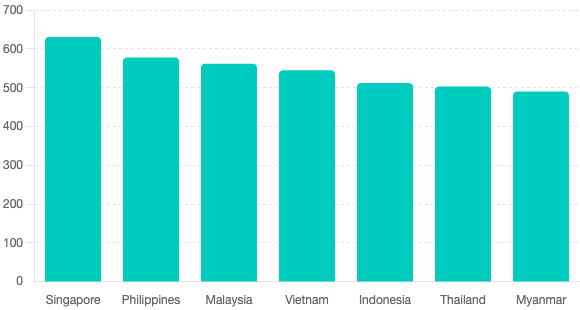
According to the EF English Proficiency Index (EPI) 2024, countries in Southeast Asia show large disparities in English proficiency levels.
- 🇸🇬 Singapore ranks #1 in Asia, classified under “very high proficiency.”
→ Source: EF EPI 2024 - 🇵🇭 Philippines ranks 20th globally and 2nd in Asia, under “high proficiency.”
→ Source: SBS Filipino - 🇲🇾 🇻🇳 🇮🇩 Malaysia, Vietnam, and Indonesia are listed under “moderate proficiency.”
→ Source: EF EPI
📖 Reading Comprehension Among Students: The Numbers
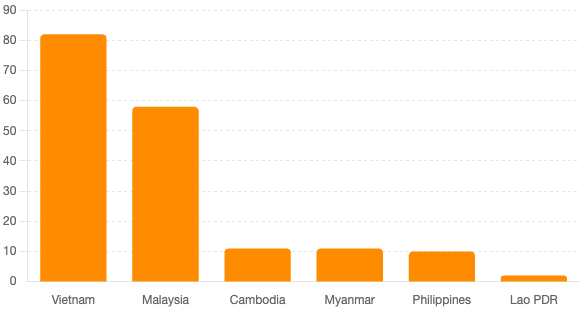
Literacy is more than just being able to read words—it’s about understanding meaning. And that’s where many students fall behind.
SEA-PLM 2019 Findings:
-
Across Southeast Asia, a large proportion of Grade 5 students struggled to read fluently or interpret simple texts.
→ Full report: SEA-PLM 2019 Low Performing Readers (PDF)
PISA 2018 Results:
-
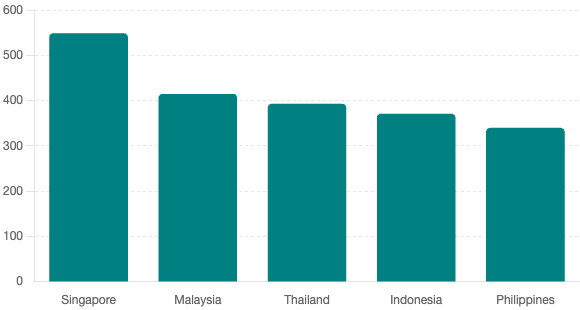
In the PISA 2018 reading test, the Philippines ranked last out of 79 countries.
→ PISA via ICCE2021
2024 Multilevel Study Highlights:
-
Reading performance in Southeast Asia is significantly affected by:
-
Socioeconomic background
-
Gender (girls outperform boys)
-
School quality and teacher support
-
Exposure to bullying and poor well-being
-
📚 What Do Education Policies Say?
Singapore:
-
English is the primary medium of instruction in schools.
-
Strong government support via the Speak Good English Movement and bilingual frameworks.
→ Language Education in Singapore (Wikipedia)
Malaysia:
-
Since 1967, English has not been the main language of instruction in most schools.
-
This has had long-term impacts on English literacy and employment skills.
-
Recent reforms in Sabah and Sarawak push for more English-medium education.
→ English-Medium Education
Indonesia:
-
Literacy policies are decentralized, leading to inconsistent outcomes.
-
Teachers often lack sufficient training in English instruction.
→ ERIC Literacy Policy Comparison Study (2023)
🧠 ELT Research & Innovations
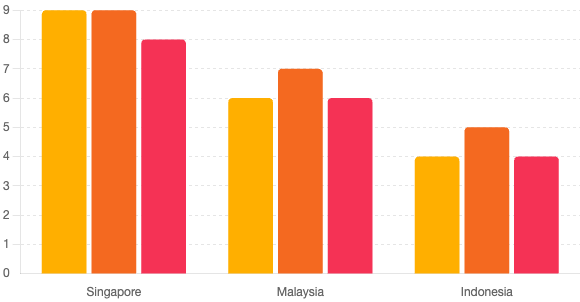
A 2022 bibliometric analysis found that the most English Language Teaching (ELT) research in Southeast Asia comes from:
-
Singapore
-
Vietnam
- Malaysia
Translanguaging Pedagogy:
A 2025 study highlights how translanguaging—using both native and English languages in learning—can boost comprehension and help bridge literacy gaps.
→ SAGE Journals
📝 Summary of Key Findings
| Area | Data Highlights |
|---|---|
| Proficiency Rankings | Singapore leads Asia, Philippines follows; others in mid-tier |
| Reading Comprehension | PISA and SEA-PLM show large gaps in literacy comprehension |
| Policy Effectiveness | Singapore excels; Malaysia and Indonesia face challenges |
| Research Contributions | Most ELT research from SG, VN, MY; less from PH and ID |
| Pedagogical Trends | Translanguaging, bilingual support, and early intervention show promise |
The state of English comprehension in Southeast Asia reflects deep-rooted educational, socioeconomic, and policy-related factors. Countries like Singapore and the Philippines show promising strengths, while others continue to address foundational gaps in reading instruction and comprehension. For lasting improvement, nations must focus on early reading support, teacher training, equitable access, and data-informed reforms.