
English for Kids in the AI Era: What Changes and What Stays the Same
🌟 The New Classroom Has Changed — But English Still Matters Most
From AI chatbots that can tell bedtime stories to apps that teach pronunciation with voice recognition — the way children learn English is transforming faster than ever.
But here’s the truth: even in the AI era, the heart of language learning hasn’t changed.
Kids still need curiosity, creativity, and human connection to truly master English.
This article explores what’s new, what stays the same, and how parents and teachers can balance smart technology with timeless teaching.
⚙️ What’s Changing: AI and the New Way Kids Learn English
1. Personalized Learning Becomes the Norm
AI-powered platforms can now adjust to a child’s pace, interests, and skill level in real time.
Apps like Lingokids or Duolingo ABC already use AI to track mistakes and suggest easier or harder lessons.
📈 Why this matters:
No two learners are alike. AI helps identify gaps faster, so children spend time where it counts most — not just following one-size-fits-all lessons.
2. Speaking Practice Is Now Interactive
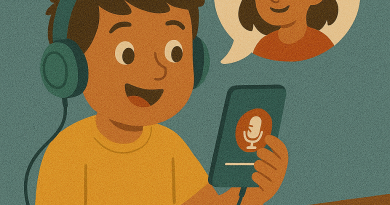
AI chat companions (like Buddy.ai or child-safe ChatGPT modes) let kids practice real conversations anytime — with friendly, patient “virtual teachers.”
🗣️ Example:
A 7-year-old can say:
“Hello! My favorite color is blue.”
And the AI might reply:
“That’s great! What else do you like that’s blue?”
This kind of safe, 24/7 dialogue builds speaking confidence — something traditional flashcards never could.
3. Learning Is More Playful (and Shorter!)
AI helps design lessons like games.
Think: reward points, streaks, story-based progress.
⏰ Studies show kids learn best in short bursts — 5-10 minutes — which is exactly how modern English apps structure activities.
Micro-learning powered by AI keeps kids engaged without overwhelm.
4. Parents and Teachers Are Becoming “Coaches,” Not Just Instructors
AI tools can now track vocabulary, reading time, and listening accuracy — but it’s the adult’s job to interpret the data.
Parents and teachers become guides: encouraging, celebrating, and adding real conversation beyond the screen.
💡 What Stays the Same: The Human Side of Learning English
1. Stories Still Teach Best
AI can write stories — but the bond of reading them together remains irreplaceable.
Children still learn emotion, empathy, and imagination through storytelling.
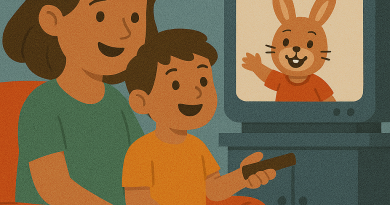
So while an AI story generator is a great assistant, parents reading aloud is still the best “English class” in the world.
📚 Try blending both:
Ask AI for a short story, then discuss it with your child — “Who’s your favorite character? What did you learn?”
2. Listening Comes Before Speaking
Even the smartest AI voice trainer can’t replace listening to real people — parents, teachers, friends.
Children still need to hear natural English rhythm, tone, and laughter.
💬 Pro Tip: Use English podcasts or story audio, then let AI quizzes check comprehension afterward.
3. Curiosity and Play Stay at the Core
Whether it’s a robot teacher or a human one, kids learn best when they’re having fun.
Games, songs, stories, and imagination still spark motivation better than any algorithm.
So keep singing, drawing, and laughing in English — AI can assist, but joy remains the greatest teacher.
🔐 Balancing AI and Real Learning: Tips for Parents & Teachers
✅ Set screen limits. Use AI tools in short, focused sessions (10–15 minutes).
✅ Co-learn. Sit beside your child during AI practice — discuss what they learn.
✅ Add the human touch. Follow every AI session with a real conversation:
“What new word did you learn today?”
✅ Choose kid-safe tools. Look for COPPA, GDPR-Kid, or kidSAFE certified labels.
✅ Mix print + digital. Combine AI apps with EnglishLesson.com’s free printable worksheets for writing and reading balance.
🏁 Closing Thoughts: AI Helps, But You Make It Meaningful
AI has changed the tools — not the heart — of English learning.
Children will continue to thrive when technology is guided by parents, teachers, and empathy.
So yes, let your child learn English with AI. Let them talk to smart chatbots, listen to AI stories, and play language games.
But also — listen to them, read with them, laugh with them.
Because while AI can teach words, only you can teach what those words truly mean. ❤️