
Teaching Kids English with AR & VR – What’s Available and What Works

🌟 The New Frontier of English Learning
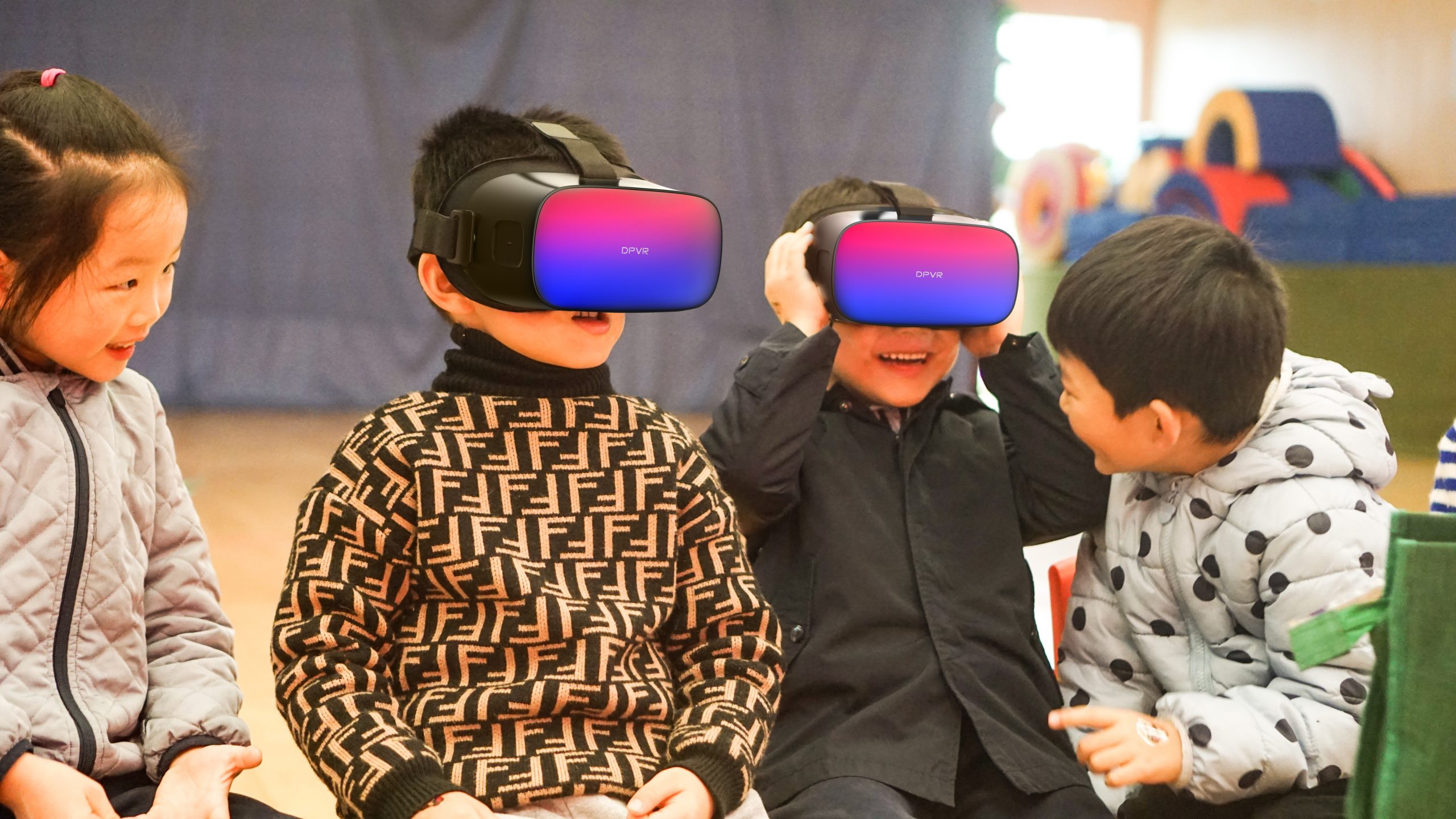
In 2025, technology isn’t just part of classrooms — it is part of learning experiences. For kids learning English, AR & VR offer immersive worlds where vocabulary, pronunciation, and conversation aren’t just taught — they’re explored.
The good news: research shows AR/VR can boost engagement, retention and real-world language use among young learners. mdpi.com+2i-jte.org+2
But the follow-up question is: Which tools work, and how do you use them safely and effectively?
🧩 What Changes & What Stays the Same with AR/VR English Learning
✅ What Changes
-
Immersion & context: Kids don’t just see words on a page, they enter or interact with English-rich environments. For example, in AR kids might label objects around the room in English; in VR they might travel to a virtual English-speaking city. sciencedirect.com
-
Multi-sensory learning: Hearing, seeing, interacting — all at once, which strengthens memory and usage. i-jte.org
-
Motivation & novelty: AR/VR feels like “play” which increases willingness to practice language repeatedly.
-
New interfaces: Instead of worksheets, kids might explore or role-play in virtual spaces.
✅ What Stays the Same
-
Focus on speaking, listening, reading, writing: AR/VR simply gives new ways to work on these core skills.
-
Human input matters: Tutors/parents/teachers still guide, scaffold and encourage. Technology isn’t a replacement — it’s a tool.
-
Regular practice wins: Just like traditional methods, consistency matters. A great VR session once won’t replace ongoing practice.
-
Quality content is key: Regardless of medium, the language needs to be meaningful, age-appropriate, and scaffolded.
🧒 What AR & VR Apps/Tools Are Available for Kids Learning English
Here are examples of what’s out there now:
-
ClassVR (VR + AR resource library for schools) – Offers English-language and literacy resources where kids explore scenes, write descriptions, engage in world-building. ClassVR
-
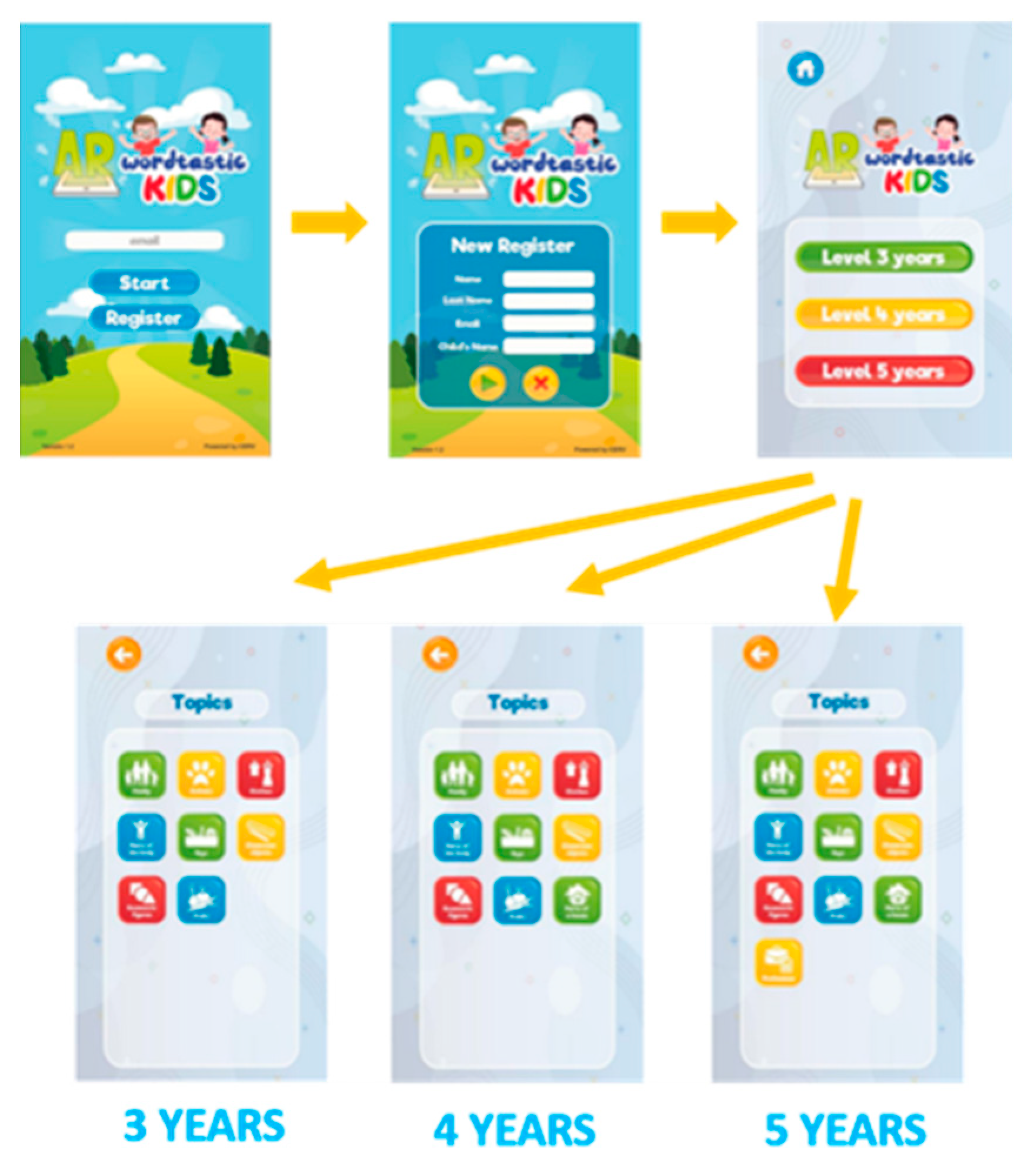
AR-vocabulary apps in early childhood – A research study on the app Wordtastic Kids (AR-based) for preschoolers found significant vocabulary gains when AR was used. mdpi.com
-
VR and wearable environments – Studies show VR wearables improve immersion in language learning for older children. onlinelibrary.wiley.com
-
Generic AR/VR educational tool reviews – Broad examples of language-learning contexts using AR/VR show improved engagement and retention. researchgate.net+1
🛠️ How to Make AR/VR Work for Kids’ English (Tips for Parents & Teachers)
-
Choose age-appropriate experience: For younger kids (3-8 years) AR on a tablet works better than full VR headsets.
-
Set a clear language goal: E.g., “Today we’ll use AR to name 10 classroom objects in English.”
-
Follow up with real talk: After a VR session, ask the child to say out loud what they did or learned in English — turning experience into speech.
-
Short sessions: Even immersive tools should be limited to 10-15 minutes to avoid fatigue or disorientation.
-
Parental involvement: Sit with the child, ask questions, help them label what they see.
-
Combine with print/digital worksheets: Use a paper worksheet to reinforce what was done in AR/VR — this bridges high-tech with low-tech.
-
Check technology & safety: Ensure the app/device is safe for kids, age rated, minimal distractions, no inappropriate content.
-
Balance novelty & repetition: Use AR/VR as a fun addition, not the only method. Kids still need repetition and scaffolded progression.
🔍 What to Watch Out For (Limitations & Cautions)
-
Some AR/VR tools may be too advanced, with complex interfaces that frustrate kids.
-
Cost and access: Headsets and specialized equipment may not be affordable or practical for all families.
-
Over-focus on tech: Without meaningful language tasks, AR/VR is just “fun” and not learning.
-
Screen time and motion effects: For young children, long VR sessions may cause discomfort.
-
Content quality: Not all immersive experiences are designed for ESL — check vocabulary, pacing, and clarity.
📈 Why It Works – Backed by Research
-
Studies show that AR supports vocabulary acquisition and engagement in young learners. mdpi.com+1
-
VR offers immersive contexts where learners can practise language in “simulated real world” settings — useful for speaking & listening. sciencedirect.com+1
-
Immersive environments reduce the gap between “seeing/hearing” and “doing/saying” — which is vital for language retention.
🎯 The Future of English Learning for Kids
AR & VR are exciting tools in the toolbox of English teaching — but they aren’t magic bullets. For best results:
-
Use them with intention (clear goals, real follow-up)
-
Combine them with print/digital reinforcement
-
Keep human interaction (you, the teacher/parent) central.
When you blend immersive environments with meaningful language tasks — from naming objects in AR to speaking dialogues in VR — you give children not just vocabulary, but confidence to use it.
So yes — one day your kids might practise English by walking through a virtual rainforest, naming animals in English, and then telling you what they saw. That’s very 2025. And it works.