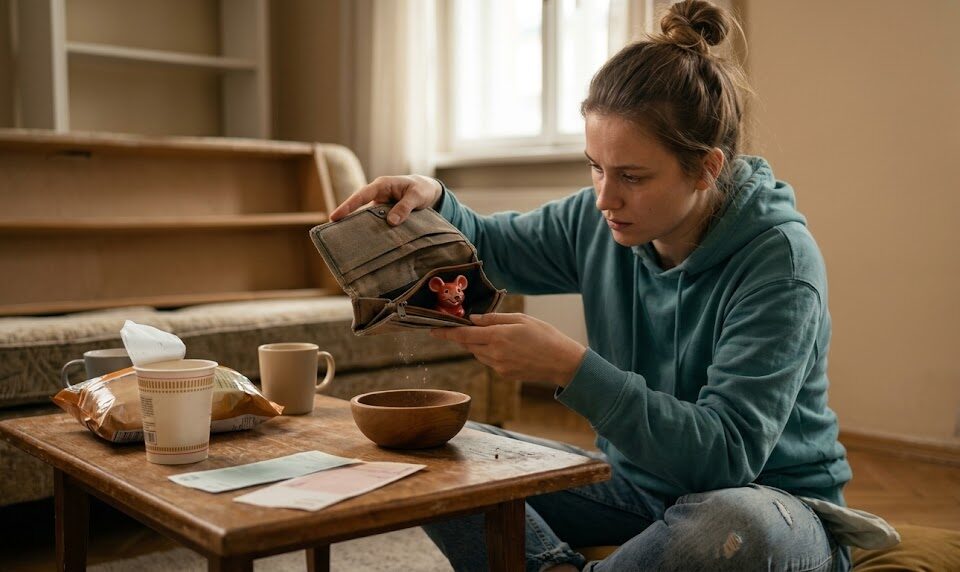
12 Being Broke Idioms That Native Speakers Use All The Time
Why English Has So Many Ways to Say You’re Broke
Money problems are universal, and the English language reflects that reality beautifully. Native speakers rarely say “I have no money” in casual conversation. Instead, they reach for colorful idioms that paint vivid pictures of financial struggle. These expressions show up in movies, songs, workplaces, and everyday conversations constantly. Learning them helps you sound more natural and understand what people actually mean when they’re talking about tight budgets and empty wallets.
Idioms That Describe Having Absolutely No Money
Flat Broke
This is probably the most common expression you’ll hear. “Flat broke” means completely without money, with zero exceptions. The word “flat” emphasizes total emptiness. Someone might say, “I can’t come to dinner tonight — I’m flat broke until payday.” It’s direct, widely understood, and used across all age groups.
Dead Broke
Similar to flat broke but with a slightly more dramatic tone, “dead broke” suggests your finances have completely died. “After paying rent and utilities, I was dead broke for two weeks straight.” Native speakers use this one when they want to emphasize just how serious the situation really is.
Broke as a Joke
This rhyming expression adds humor to a painful situation. People use it lightheartedly when discussing their financial struggles with friends. “Don’t ask me to split the bill — I’m broke as a joke right now.” It softens the embarrassment of admitting you have no money by making it sound funny.
Not Have a Dime to Your Name
A dime is only ten cents, so having none means having absolutely nothing. This idiom emphasizes complete financial destitution. “When she first moved to the city, she didn’t have a dime to her name.” It’s often used when telling stories about difficult past experiences or describing someone else’s hardship.
Expressions for Running Low on Cash
Strapped for Cash
This idiom suggests you’re tightly bound or constrained by your financial situation. It doesn’t necessarily mean zero dollars, but it means money is very tight. “I’d love to join the trip, but I’m really strapped for cash this month.” This one sounds professional enough to use in workplace conversations without sounding too casual.
Pinching Pennies
When someone is pinching pennies, they’re watching every single dollar and cutting expenses wherever possible. “We’ve been pinching pennies since the car broke down.” This expression often implies careful budgeting rather than total bankruptcy, and it carries a slightly positive connotation of being responsible under pressure.
Tight on Money
Simple and straightforward, this idiom communicates that your financial situation has very little wiggle room. “Things have been tight on money since I switched jobs.” It’s versatile and appropriate for both formal and informal settings, making it one of the most frequently used expressions on this list.
Colorful Idioms With Interesting Origins
Living Hand to Mouth
This vivid expression describes surviving on just enough to get by, with nothing left over for savings or emergencies. The image is of food going directly from hand to mouth without any storage in between. “For years after college, I was living hand to mouth, barely covering basic expenses.” It suggests a cycle of immediate need with no financial cushion.
On the Breadline
Historically, breadlines were queues where poor people waited for free food during economic crises. Today, being “on the breadline” means living in extreme poverty. “After the factory closed, thousands of families were suddenly on the breadline.” This expression carries historical weight and is often used in more serious discussions about poverty.
In the Red
This financial idiom comes from old accounting practices where debts were written in red ink. Being “in the red” means spending more than you earn or having a negative bank balance. “The business has been in the red for three consecutive quarters.” It’s commonly used in both personal finance and professional business contexts.
Broke to the Bone
An intensified version of simply being broke, this expression means your financial struggles go deep. “After the medical bills arrived, I was broke to the bone.” Native speakers use this when regular “broke” just doesn’t capture the full extent of the financial devastation they experienced.
Phrases About Borrowing and Struggling Through
Robbing Peter to Pay Paul
This classic idiom describes paying one debt by creating another. It suggests a cycle with no real solution, just shuffling money between obligations. “She was robbing Peter to pay Paul every month, using one credit card to cover another.” It’s a timeless expression that perfectly captures the trap of overlapping financial obligations.
Scraping the Bottom of the Barrel
While this idiom applies to many situations, it’s frequently used for money. It means using the very last of your resources. “By the end of the month, we were scraping the bottom of the barrel just to buy groceries.” The image of an empty barrel with only scraps remaining makes this expression instantly relatable.
Start Using These Idioms in Your Daily Conversations
These twelve expressions give you a powerful toolkit for discussing financial hardship the way native speakers actually do. Whether you’re describing a rough month, writing realistic dialogue, or simply trying to understand what someone means when they say they’re “strapped,” these idioms bridge the gap between textbook English and real-world communication. Start listening for them in podcasts, television shows, and everyday conversations, and you’ll notice just how frequently they appear. Practice using a few naturally, and your English fluency will immediately feel more authentic and connected to how people genuinely speak about money.