From Pokémon to Doraemon: 5 Anime Kids Can Use to Learn English
Let’s turn screen time into smart time. If your child loves watching anime, you can channel that enthusiasm into real English-learning adventures. Published studies and language-learning coaches both tell us that animated stories with dialogues, everyday speech, and visual context help kids absorb English more naturally than traditional drills.
In this article, we’ll walk through five popular, kid-friendly anime titles that are both fun to watch and valuable for practicing English. Each section includes why it’s useful, how to use it at home, and extra activities you can do together.
1. Pokémon



Why it’s great:
-
This long-running series uses familiar, repeated vocabulary (e.g., battle, catch, train, friend) which helps reinforce learning.
-
The visuals (creatures, movements, actions) give strong context clues, enabling kids to pick up meanings without always needing translation.
-
Because many episodes are dubbed or subbed in English, children can listen and match what they hear with what they see—excellent for listening practice.
How to use it at home:
-
Choose an episode and use English audio + English subtitles (if available). Pause when a clear statement appears (ex: “I’ll protect you!”) and ask your child: What does that mean? Ask them to repeat it.
-
Make a mini vocabulary list from the episode: e.g., catch, evolve, battle, trainer, friendship. Then print a worksheet: “Write your own sentence using ‘trainer’.”
-
Role-play: one child says “I choose you!” and the other responds in English using a phrase from the episode.
2. Doraemon


Why it’s great:
-
The show features everyday situations (school, family, gadget experiments) that use vocabulary children already know plus some new words they’ll find interesting.
-
A special mention: there are special “Early English with Doraemon” short films created to teach children English. doraemon.fandom.com+1
-
Good for listening and speaking: simple dialogue, expressive characters, clear situations.
How to use it at home:
-
Select a gadget-scene and ask: “What is the gadget doing? What English verbs can you hear?”
-
Pause and ask your child to predict the next line in English. Then play the scene and check together.
-
Create a worksheet titled: “Doraemon gadgets: Describe what happens using three adjectives and one verb.”
-
Encourage your child to retell the episode in their own words in English: “Doraemon used a gadget to help Nobita. He felt ____. Then he said ____.”
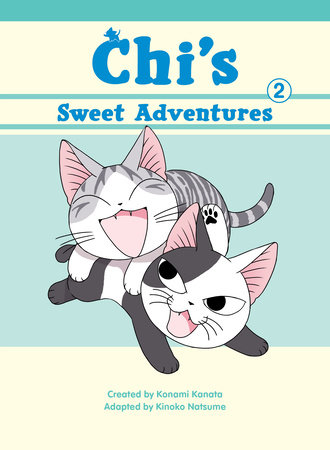
3. Chi’s Sweet Home


Why it’s great:
-
Very simple vocabulary and situations (a kitten’s daily adventures) make it ideal for younger learners or those struggling with longer sentences.
-
Helps build confidence: when a child understands even a small gist, they feel motivated to continue.
How to use it at home:
-
Watch a 5-minute cut. Pause and ask: “What did the kitten do? Use one verb to describe.”
-
Worksheet: “Chi’s day: write 5 short sentences about what Chi does using these verbs: eat, sleep, play, run, find.”
-
Encourage drawing: Have your child draw a scene from the episode and label objects in English (cat, bowl, garden, toy).
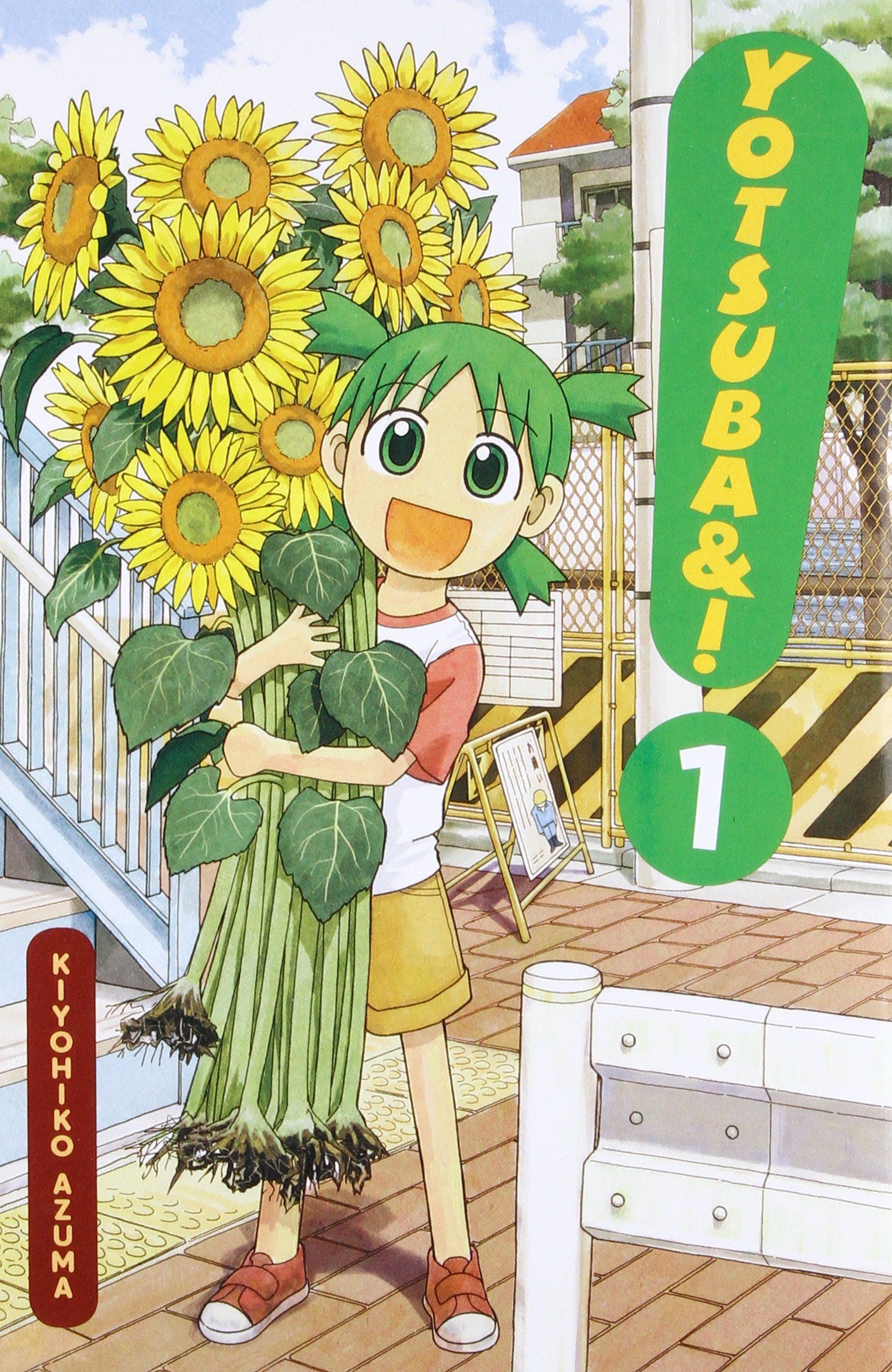
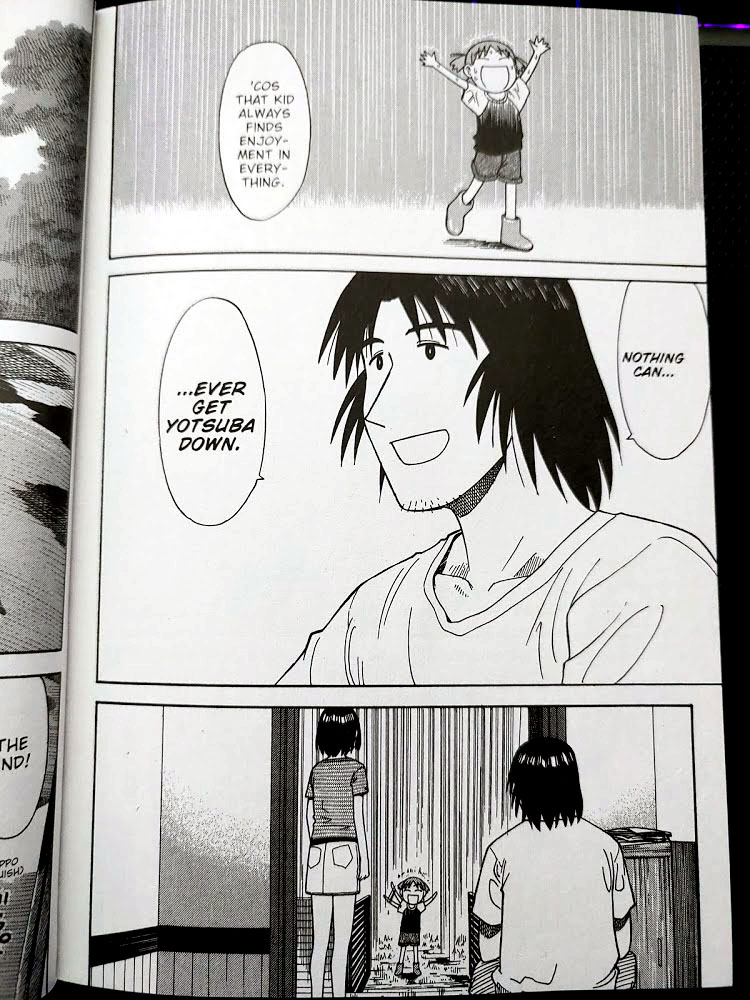
4. Yotsuba&! (manga / anime style)
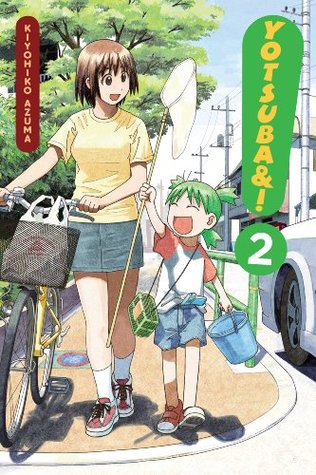
Why it’s great:
-
The slice-of-life style focuses on everyday objects and situations (“Yotsuba and the swing”, “Yotsuba and the zoo”) which makes vocabulary relevant and memorable. Wikipedia
-
Because the scenes are relatable, children can easily imagine and discuss what’s happening, boosting speaking and writing practice.
How to use it at home:
-
Pick one story/scene. Ask your child: “What is happening here? Use one adjective and one verb to describe it.”
-
Worksheet: “Yotsuba & …”: fill in the blank with what Yotsuba did today. Then write 2 sentences about it in English.
-
Ask children to change the ending: “What if Yotsuba found a new toy? What would she do?” Encourage them to write or draw.
5. Witch Hat Atelier


Why it’s great:
-
Suitable for slightly older kids (upper elementary) who are ready for more complex vocabulary and storylines—magic, spell-casting, apprenticeships.
-
Provides rich language contexts: verbs like cast, transform, learn, apprentice, and adjectives like enchanted, ancient.
-
Helps bridge the gap between basic English and more adventurous language use.
How to use it at home:
-
Choose a scene and pick 2–3 new words. Ask your child to use each word in a sentence.
-
Worksheet: “My magical apprentice story”: Write 4 sentences starting with “I will cast…”, “I will transform…”, “I will learn…”, “I will protect…”
-
Role-play: One child becomes the ‘teacher wizard’ and asks the other: “What spell will you cast?” Encourage answers using complete sentences in English.
🎯 Why Anime Helps Kids Learn English
-
Visual context: Images + actions + dialogue = enhanced comprehension and memory.
-
Repetition and real usage: Kids hear expressions again and again in natural context.
-
Motivation & engagement: Learning happens when kids want to understand the next scene.
-
Cross-skills integration: Reading subtitles, listening to dialogue, speaking/re-telling, writing scenarios.
✅ Parent/Teacher Tips
-
Choose age-appropriate shows: check for violence or heavy themes.
-
Use English audio + English subtitles when possible: this helps both listening and reading.
-
After watching, always do a mini-activity: discussion, drawing, writing, role-play.
-
Make it a routine: e.g., 15 minutes anime + 10 minutes discussion.
-
Use printable supports (worksheets, vocabulary lists) to deepen learning and engagement.
Anime isn’t just entertainment—it can be a gateway to real English learning. By selecting the right shows, engaging in simple follow-up activities, and keeping it fun, your child’s screen time can become language time.
Turn favourite characters into grammar partners, dialogues into discussion starters, and scenes into writing prompts. With these five anime titles and your guidance, English becomes an exciting adventure.